How to Treat Thrush

♠ Posted by Unknown in
Vaginal thrush - Treatment Naturally How to treat ThrushStep heal canker sores on the tongue is among the oral health problems that many face. Thrush often begins with inflammation in the area of ​​the oral cavity, such as the appearance of dry lips and chapped. In essence canker sores are sores on the mouth in the form of colored concave spherical concave and so really painful. When touched food, thrush will cause aching sense to make the shrinking appetite.


How To Treat Thrush Naturally
Although canker sores often faced by some people, but this disease must be cured through an efficient way to cure canker sores menghindarnya not come again. 

Cause Thrush
Thrush or in the language of medicine meant by stomatitis, which is a swelling or inflammation that takes place in the area around the mouth and tongue. Step heal canker sores efficient starts with knowing the trigger canker sores, as follows:

  •     Biting mouth which generally lasts because eating too fast or at the time chatting.
  •     Consumption of nutrient deficiencies such as iron, vitamin B 12, and vitamin C to protect the oral health
  •     Mouth cleaning product that does not fit like toothpaste, mouthwash or tooth brush bristles
  •     Usually the consumption of food or drink that is too spicy or acidic
  •     Viral effect. Thrush is caused by how the form of the virus present in the body, accounting for cases such as that caused private glandular fever, herpes and other oral diseases.
  •     Bacterial effect. Thrush is most fond of walking models assume suffer a sore throat or other illness that caused by bacteria.
  •     Fungal effect. Sprue arise when a body's immune system have very low or other health problems that may need to use high doses of antibiotics.
  •     Non-infectious. Which raises the most is the occurrence of recurrent sores in the mouth, although not found but most can be lost due within 2 weeks.
  •     Thrush can also be due to the presence of problems in the digestive system, lack of vitamins, riboflavin, miacin and B12.

Thrush can usually recover by itself, when the disease is already running along the 10 to 14 days. But these sores would cause discomfort because the flavor is going to be painful when in contact with food. Below are the ways to cure canker sores on the tongue, lips or in the mouth cavity else, you can apply. 

How to Treat Thrush
Step Cure Thrush Quickly ie below:
1. Coconut WaterTake coconut water, for example, there is a green coconut water. Use to gargle and can also be swallowed.
2. Jambu WaterTake bark rose water 10 g (bark still young), wash and finely crushed 1/2 cup cooking water more, strain. Use water to rinse the filter.
3. Ground CoffeeTake a little powder on the coffee and give the sprue, let how many minutes, then kumurlah with clean water. Until recovered. Insaalah can recover approximately 2-3 days.
4. Gargling with salt waterGargling with warm water in the salt three times satuhari join could treat canker sores wounds quickly. The content of salt in the wound fluid could pull the sprue be able to speed up treatment.
5. Drinking yogurtYogurt helps balance of bacteria in the mouth and body. It can speed up treatment and help avoid thrush. Create felt finally, make sure the yogurt contains live acidophilus.
6. Rinse mouth with traditional medicineRinse mouth with one among of how traditional medicine, such as aloe vera, grape seed extract, hydrogen peroxide, plum juice, tea tree oil and warm water with salt.
7. Give the wound with onions and papayaUsing the drug immediately to thrush can also accelerate wound treatment system. Wear raw onion, papaya or tea bags in the wound immediately sprue.
8. TomatoesHow to cope with the next Thrush is utilizing tomatoes. Eating raw tomatoes as a drug to cope with thrush. Or can be, mouthwash use tomato juice.
9. Basil and TurmericHow to treat ulcers by using basil leaves. Chewing 4-5 basil leaves and drinking water. Efficient way to relieve pain just now and speedily treat canker sores. Can also mengulaskan herb paste made from turmeric collision in join with one teaspoon of glycerin. Give this paste on the wound.
10. Try baking sodaHow to treat thrush next by using baking soda. Mix baking soda with water or mouthwash made pasta to coat the wound canker sores. Baking soda can help eliminate bacteria in the mouth and reduce pain.
That he is some way to treat canker sores you need to know. Hopefully this article useful and always keep your health.

How to Treat Piles

♠ Posted by Unknown in

Piles (haemorrhoids) – basics, symptoms and treatment

What are haemorrhoids? 
Haemorrhoids are swollen blood vessels in or around the anus and rectum. The haemorrhoidal veins are located in the lowest part of the rectum and the anus. Sometimes they swell so that the vein walls become stretched, thin, and irritated by passing bowel movements. Haemorrhoids are classified into two general categories: internal and external

Piles (haemorrhoids) – basics, symptoms and treatment How treat piles
Internal haemorrhoids lie far enough inside the rectum that you can't see or feel them. They don't usually hurt because there are few pain-sensing nerves in the rectum. Bleeding may be the only sign that they are there. Sometimes internal haemorrhoids prolapse, or enlarge and protrude outside the anal sphincter. If so, you may be able to see or feel them as moist, pink pads of skin that are pinker than the surrounding area. Prolapsed haemorrhoids may hurt because they become irritated by rubbing from clothing and sitting. They usually recede into the rectum on their own; if they don't, they can be gently pushed back into place.

External haemorrhoids lie within the anus and are often uncomfortable. If an external haemorrhoid prolapses to the outside (usually in the course of passing a stool), you can see and feel it. Blood clots sometimes form within prolapsed external haemorrhoids, causing an extremely painful condition called a thrombosis. If an external haemorrhoid becomes thrombosed, it can look rather frightening, turning purple or blue, and could possibly bleed. Despite their appearance, thrombosed haemorrhoids are usually not serious and will resolve themselves in about a week. If the pain is unbearable, the thrombosed haemorrhoid can be removed with surgery, which stops the pain.

Anal bleeding and pain of any sort is alarming and should be evaluated; it can indicate a life-threatening condition, such as colorectal cancer. Haemorrhoids are the main cause of anal bleeding and are rarely dangerous, but a definite diagnosis from your doctor is essential.

What causes haemorrhoids?

Anyone at any age can be affected by haemorrhoids. They are very common, with about 50% of people experiencing them at some time in their life. However, they are usually more common in elderly people and during pregnancy. Researchers are not certain what causes haemorrhoids. "Weak" veins - leading to haemorrhoids and other varicose veins - may be inherited.

It's likely that extreme abdominal pressure causes the veins to swell and become susceptible to irritation. The pressure can be caused by obesity, pregnancy, standing or sitting for long periods, straining on the toilet, coughing, sneezing, vomiting, and holding your breath while straining to do physical labour.

Diet has a pivotal role in causing - and preventing - haemorrhoids. People who consistently eat a high- fibre diet are less likely to get haemorrhoids, but those who prefer a diet high in processed foods are at greater risk of haemorrhoids. A low-fibre diet or inadequate fluid intake can cause constipation, which can contribute to haemorrhoids in two ways: it promotes straining on the toilet and it also aggravates the haemorrhoids by producing hard stools that further irritate the swollen veins.

What are the symptoms of piles?

The symptoms of haemorrhoids include:

  •     Bright red bleeding from the anus. Blood may streak the bowel movement or the toilet paper.
  •     Tenderness or pain during bowel movements.
  •     Painful swelling or a lump near the anus.
  •     Anal itching.
  •     A mucous anal discharge.

Seek medical advice if:

  •     You have rectal bleeding for the first time, even if you believe you have haemorrhoids. Colon polyps, colitis, Crohn's disease, and colorectal cancer can also cause rectal bleeding. An accurate diagnosis is essential.
  •     You have been diagnosed with haemorrhoids, and you have rectal bleeding that is chronic (daily or weekly) or more profuse than just streaking. Though rare, excessive haemorrhoidal bleeding can cause anaemia.

How do I know if I have piles?

First, your doctor will look at the anal area, perhaps by inserting a lubricated gloved finger or an anoscope (a hollow, lighted tube for viewing the lower few inches of the rectum) or a proctoscope (which works like an anoscope, but provides a more thorough rectal examination).

More procedures may be needed to identify internal haemorrhoids or rule out other ailments that frequently cause anal bleeding, such as anal fissure, colitis, Crohn's disease, and colorectal cancer.

To see further into the anal canal (into the lower, or sigmoid, colon), sigmoidoscopy may be used, or the entire colon may be viewed with colonoscopy. For both procedures, a lighted, flexible viewing tube is inserted into the rectum. A barium X-ray can show the entire colon's interior. First a barium enema is given and then X-rays are taken of the lower gastrointestinal tract.

What are the treatments for piles?

There are treatments for piles available from pharmacies or through a GP.

Creams, ointments and suppositories can help relieve swelling and inflammation symptoms in the short term. A GP may recommend corticosteroid cream for severe inflammation.

Warm (but not hot) sitz baths are a traditional therapy for piles: sit in about 8 cm of warm water for 15 minutes, several times a day, especially after a bowel movement.

Painkillers, such as paracetamol, can help relieve pain caused by piles. Products with local anaesthetic may be prescribed to treat painful haemorrhoids.

If you are constipated, a GP may recommend using a laxative.

However, these treatments do not get rid of the haemorrhoids themselves.

If you are pregnant, discuss any treatment, including dietary changes, with your doctor before proceeding.

If symptoms persist, your doctor may suggest one of the following procedures. Many can be performed as a day-case:

Injection or sclerotherapy. An internal haemorrhoid can be injected with a solution that creates a scar and closes off the haemorrhoid. The injection will only hurt a little.

Banding. Prolapsed haemorrhoids are often removed using rubber-band ligation. A special tool secures a tiny rubber band around the haemorrhoid, shutting off its blood supply almost instantly. Within a week, the haemorrhoid shrivels and falls off.

Coagulation or cauterisation. Using either an electric probe, a laser beam, or an infrared light, a tiny burn painlessly seals the end of the haemorrhoid, causing it to close off and shrink. This is most useful for prolapsed haemorrhoids.

Surgery. For large internal haemorrhoids or extremely uncomfortable external haemorrhoids (such as thrombosed haemorrhoids that are too painful to live with), your doctor may choose traditional surgery, called haemorrhoidectomy.
The success rate for haemorrhoid removal approaches 95%, but unless dietary and lifestyle changes are made, haemorrhoids may recur.

Nutrition and diet

You can prevent constipation by following a high-fibre diet. Meals and snacks should consist primarily of vegetables, fruit, nuts, and whole grains, and as few processed foods and meats as possible. If this is a big change for you, introduce the new foods slowly, to avoid wind.

If you aren't able to eat enough high-fibre food, supplement your diet with stool softeners or bulk-forming agents. (Avoid laxatives, which may cause diarrhoea that can further irritate the swollen veins.)

Drink at least eight glasses of water each day; if your life is especially active or you live in a hot climate, you will need more.

Monitor your salt intake. Excess salt in the diet causes fluid retention, which means swelling in all veins, including haemorrhoids.

At-home remedies

  •     Try not to sit for hours at a time. If you have to, take breaks: once every hour, get up and move around for at least five minutes. A doughnut-shaped cushion can make sitting more comfortable and ease haemorrhoid pressure and pain.
  •     Insert petroleum jelly just inside the anus to make bowel movements less painful.
  •     Consider dabbing witch hazel (a soothing anti-inflammatory agent) on irritated haemorrhoids to reduce pain and itching.
  •     Resist the temptation to scratch haemorrhoids, as it makes everything worse: the inflamed veins become more irritated; the skin around them becomes damaged; and the itching itself intensifies. Instead, to help reduce swelling and irritation consider using an over-the-counter steroid cream to the skin (not inside the anus - on the outside only) and a cold pack. You might try over-the-counter haemorrhoidal creams for relief from itching.
  •     If you need a pain reliever, consider using paracetamol.
  •     Bathe regularly to keep the anal area clean, but be gentle: excessive scrubbing, especially with soap, can intensify burning and irritation.
  •     Don't sit on the toilet for more than five minutes at a time, and when wiping, be gentle. If toilet paper is irritating, try dampening it first, or use cotton balls or alcohol-free baby wipes. You may prefer washing yourself and then dabbing the area dry.
  •     When performing any task that requires exertion, be sure to breathe evenly. It's common to hold your breath during exertion, and if you do, you're straining and contributing to haemorrhoid swelling.

How can I prevent piles?

A healthy diet and lifestyle are good insurance for preventing haemorrhoids, whether you already suffer haemorrhoid symptoms or are intent on preventing them. Regular exercise is also important, especially if you have a sedentary job. Exercise helps in several ways: keeping weight in check, making constipation less likely, and enhancing muscle tone.

Healthy bowel habits also help prevent haemorrhoids. Use the toilet as soon as you feel the urge to do so. Also, avoid sitting on the toilet for prolonged periods (more than five minutes) and avoid straining during a bowel movement.

source of article : www.webmd.boots.com

How to Treat a Burn

♠ Posted by Unknown in

Treating burns and scalds


Appropriate first aid must be used to treat any burns or scalds as soon as possible. This will limit the amount of damage to your skin.

You may need to apply the following first aid techniques to yourself or to another person who has been burnt.
how to treat a burn scalds  
First aid for burns

Follow the first aid advice below to treat burns and scalds:
  •     Stop the burning process as soon as possible. This may mean removing the person from the area, dousing flames with water or smothering flames with a blanket. Do not put yourself at risk of getting burnt as well.
  •     Remove any clothing or jewellery near the burnt area of skin. However, don't try to remove anything that is stuck to the burnt skin because this could cause more damage.
  •     Cool the burn with cool or lukewarm water for 10 to 30 minutes, ideally within 20 minutes of the injury occurring. Never use ice, iced water or any creams or greasy substances such as butter.
  •     Keep yourself or the person warm. Use a blanket or layers of clothing, but avoid putting them on the injured area. Keeping warm will prevent hypothermia, where a person's body temperature drops below 35ºC (95ºF). This is a risk if you are cooling a large burnt area, particularly in young children and elderly people.
  •     Cover the burn with cling film. Put the cling film in a layer over the burn, rather than wrapping it around a limb. A clean clear plastic bag can be used for burns on your hand.
  •     Treat the pain from a burn with paracetamol or ibuprofen. Always check the manufacturer's instructions when using over-the-counter (OTC) medication. Children under 16 years of age should not be given aspirin.

When to go to hospital

Once you have taken these steps, you will need to decide whether further medical treatment is necessary. Go to a hospital accident and emergency (A&E) department for:
  •     large or deep burns – any burn bigger than the affected person's hand
  •     full thickness burns of all sizes – these burns cause white or charred skin
  •     partial thickness burns on the face, hands, arms, feet, legs or genitals – these are burns that cause blisters
  •     all chemical and electrical burns

Also get medical help straight away if the person with the burn:
  •     has other injuries that need treating
  •     is going into shock – signs include cold clammy skin, sweating, rapid shallow breathing and weakness or dizziness
  •     is pregnant
  •     is over 60 years of age
  •     is under five years of age
  •     has a medical condition such as heart, lung or liver disease, or diabetes
  •     has a weakened immune system (the body's defence system), for example because of HIV or AIDS, or because they're having chemotherapy for cancer

If someone has breathed in smoke or fumes, they should also seek medical attention. Some symptoms may be delayed and can include coughing, a sore throat, difficulty breathing, singed nasal hair or facial burns.

See recovering from burns and scalds for information on how serious burns are treated.

Electrical burns

Electrical burns may not look serious, but they can be very damaging. Someone who has an electrical burn should seek immediate medical attention at an A&E department.

If the person has been injured by a low-voltage source (up to 220-240 volts) such as a domestic electricity supply, safely switch off the power supply or remove the person from the electrical source using a non-conductive material. This is a material that does not conduct electricity, such as a wooden stick or a wooden chair.

Do not approach a person who is connected to a high-voltage source (1,000 volts or more).
 
Chemical burns

Chemical burns can be very damaging and require immediate medical attention at an A&E department.

If possible, find out what chemical caused the burn and tell the healthcare professionals at A&E.

If you are helping someone else, wear appropriate protective clothing, then:
  •     remove any clothing on the person that has the chemical on it
  •     if the chemical is dry, brush it off their skin
  •     use running water to remove any traces of the chemical from the burnt area

Sunburn

In cases of sunburn, follow the advice below:
  •     If you notice any signs of sunburn, such as hot, red and painful skin, move into the shade or preferably inside.
  •     Take a cool bath or shower to cool down the burnt area of skin.
  •     Apply after-sun lotion to the affected area to moisturise, cool and soothe it. Do not use greasy or oily products.
  •     If you have any pain, paracetamol or ibuprofen should help relieve it. Always read the manufacturer's instructions and do not give aspirin to children under 16 years of age.
  •     Stay hydrated by drinking plenty of water.
  •     Watch out for signs of heat exhaustion or heatstroke, where the temperature inside your body rises to 37-40°C (98.6-104°F) or above. Symptoms include dizziness, a rapid pulse or vomiting.

If a person with heat exhaustion is taken to a cool place quickly, given water to drink and has their clothing loosened, they should start to feel better within half an hour. If they don't, they could develop heatstroke. This is a medical emergency and you'll need to call 999 for an ambulance.

Source Article : http://www.nhs.uk/Conditions/Burns-and-scalds/Pages/Treatment.aspx

How to Treat Eye Stye Fast

♠ Posted by Unknown in

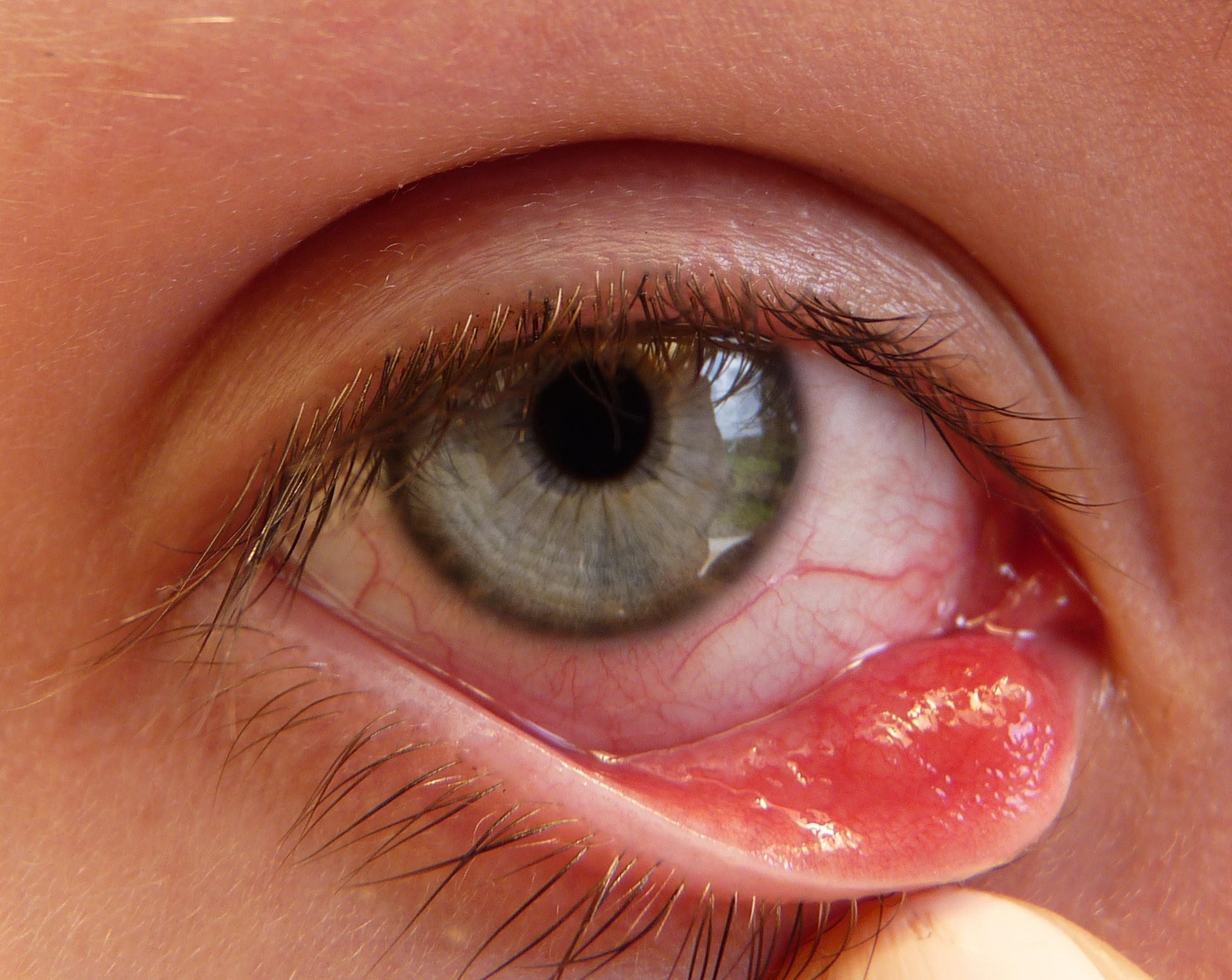
How to treat Stye eye is actually not much different from the way of treating eye diseases in general. Due to the same reason, namely, because of infections caused by bacteria. Maybe before you've even heard the myth that Stye eye it causes is often ngitip the shower, etc. Yep, I have often heard, even among people already believed to be hereditary. But is it Stye eye caused by frequent goofing off? to know the answer, let us further read!

What's Eye Stye?

Treat Eye Stye Fast
Eye Stye is large or small ulcers are located in the eyelids. In medical language Stye eye pain is known as hordeolum is an infection or inflammation of the eyelid caused by the bacterium Staphylococcus aureus.
  
 Symptoms of Eye Stye

Stye eye pain symptoms is generally characterized by a reddish lump eyelid diarea well above mautup below and is usually accompanied by white or yellow spots middle section. The longer this bump will get bigger / swell and cause rapid eye discharge, itching, and difficulty blinking for the sufferer.

Type Eye Stye

Based on where the location of the occurrence, Stye eye is divided into two parts, namely, eye Stye Eye Stye internal and external, the following explanation:
Eye Stye interna: Eye Stye type occurs at the meibomian glands, and lead to this part of the lining of the eyelids.

         Eye Stye externa: occurs in Zeis glands and bejolan moll which leads to the outside of the eyelid

Causes of Eye Stye

Stye eye can be caused by many things, such as cleanliness in the area around the eye hygiene is not maintained, because of the dust and dirt, too often rubbed his eyes, and so forth. So, how to prevent eye Stye? want to know how? if so, let us further read!

How to prevent eye Stye

Before you contracted Stye eye, it would be a good idea to take preventive measures. The saying goes, prevention is better than cure, right? Well, for that, there are some things you can do to prevent eye Stye, including the following: 

Live a healthy lifestyle 
Avoid rubbing the eyes with hands
Note the expiration date of a cosmetic product that you use and clean the rest of the make-up of the face until completely clean
Keep your eyes / area around your eyes
Resting enough, tired eyes are usually more prone to this disease.
Note the cleanliness of your bed, like pillows etc. Because when you sleep, usually the surface of your face sometimes stuck in the pillow, so if you use a pillow that is not clean, it is not possible, your eyes will be infected with bacteria and Stye
Avoid dusty and dirty environments
 
that some preventive measures you can take. So what if your eyes are already Stye? Easy, powerful tips to overcome Stye eye you can do yourself at home.

 Natural Ways to Treat Eye Stye in Natural

So far we have discussed what it Stye, Stye types, symptoms and causes. Well, now I will share tips to treat Stye eye, you can do it yourself at home. Please refer to the following explanation:

         1. Warm compresses to the eye with water  
 The easiest way to cure eye Stye is to compress it with warm water. This method is effective to reduce the itching and reduce swelling when you Stye eye.

    How to compress the eye with warm water:
    Prepare a soft textured cloth / towel clean
    The towel soaked in hot water
    Clean the skin around the eye area and compress your eyes with a towel last for 5-10  minutes
    Do this with a routine for maximum results 

          2. Garlic

 In addition to the way compressed with warm water, you can also cure eye Stye with garlic. Because garlic contains anti-bacterial compounds, which are believed to also be able to eradicate the bacteria that cause Stye eye.

How to treat Stye eye with garlic:
Clean your eyes with warm water
prepare a clove of garlic
garlic puree with a blender, grated or ground
then apply a paste of onion which is in the area of the eyelid Stye
          
          3.  Eliminate Stye in the eye with betel leaf

Tips to treat eye Stye next is to use betel leaf. Betel leaf has been shown to treat various types of eye pain, including for this Stye eye.

How to treat eye Stye with betel leaf:
 Prepare 1-3 betel leaves
 The betel leaves boiled with 1-2 glasses of water and wait until boiling
 squeeze tersebur betel leaves boiled water with a tea strainer
 use to clean areas affected eye / Stye
 or can also be used as drops, but it will be very painful. 
 Other Stye Eye Drug

         1.Use Eye Drops Drug
 

If you've done in ways that are above and your eyes still have not recovered, you can try to use eye drops (although to be honest I do not recommend this method). Use eye drops up to 2-3 times only. Due to the use of excessive drops it actually will make your eyes get worse situation.

         2.Use antibiotic ointment

Another way to treat eye Stye is to use steroid creams or anti-biotic ointment. It aims to prevent the spread of infection by bacteria. The trick, first wipe your eyelid with warm water, after it had smeared with ointment. But do not forget to note the expiration date ointment before use. Examples of ointment that you can use: Ciprofloxacin (Quinox, Baquinor), Amoxicillin (Amoxsan, Kalmoxicilin, Farmoxyl).

        3.Do not press / squeeze hordeolum

Press or squeeze the lump let alone to remove the pus, can worsen your eye infection. therefore, avoid squeeze the Stye eye. Even if forced to touch the Stye, try to wash your hands first.

Get well with the following troubleshooting tips before, if your eye pain is getting worse hurry to see the doctor.

Contact Me

♠ Posted by Unknown in
Form Contact Me

How to Take Care of Oily Acne Problem To White

♠ Posted by Unknown in

How to Take Care of Oily Acne Problem To White. 

For teenagers teens who are in a period of growth, growth hormones are essential for the future development and growth is one of the determinants of health.

However there are times when the body produces excess growth hormone that often lead to many skin problems. This problem is not only experienced by teenagers who are entering puberty, but also adults. It is caused by genetic factors inherited his family, as well as factors nutrition and lifestyle lived by that person.

Skin problems this was also varied, ranging from dry skin problems, acne, oily skin tends to look dull white and clean. For those of you who have a complaint about how to care for troubled face, here are some tips that you can try.


How to Take Care of Oily Acne Problem To White

 How to Take Care of Oily

How to care for oily face. Oily skin is certainly a very annoying problem for you. In addition to the appearance of skin that looks shiny when exposed to light, even oily skin often looks dull and not fresh. Especially for those who are required to wear makeup or makeup on the face, oily skin makes the makeup be durable and not easily fade.

The way to overcome this problem is to diligently clean your face on a regular basis, followed by the use of special toner that is destined for oily face. This is important, because if one chose toner instead will only exacerbate the quantity of oil on your face, because in general the toner or facial cleanser This causes the skin to become dry and thus less suitable for oily skin. In addition, do not use cleaners with scrub every day. We recommend using as much as once a week, and select the all natural.

After diligently keep the face properly, try to take care of your skin with celery. Plants that are identical with this kitchen spice supplement L-tryptophan-containing compound that serves as a natural anti-oxidants, vitamins A, B1, B2, and C are useful to reduce the oil content in the face, as well 3n-butilphalida compounds that can prevent inflammation due to usually oily skin will eventually cause acne.

The trick is very simple. Just clean the celery and cut up into small pieces and smooth. After that, boiled celery pieces in boiling water for approximately 15 minutes. Then, turn off the heat, and let cool. Use boiled water that has been chilled celery is to wash your face. Allow the water to infuse for a few minutes, then rinse with clean water. Perform routine and see the difference.